West Norwood SE27 Garden Maintenance Guide for Terrace Homes
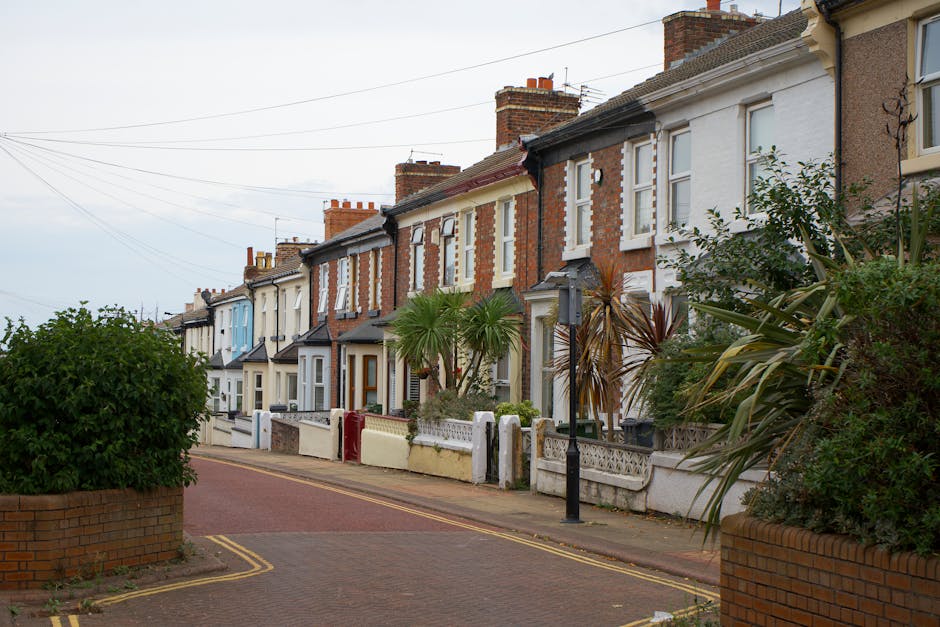
If you live in a terrace home in West Norwood, you already know the garden can feel like a small miracle and a small headache at the same time. Space is often tight, boundaries are close, shade can be awkward, and one neighbour's overhanging wisteria can suddenly become your weekend project. This West Norwood SE27 garden maintenance guide for terrace homes is here to make that easier. It brings together practical, local-minded advice for keeping a terrace garden healthy, tidy, and genuinely enjoyable all year round.
Whether your outdoor space is a narrow rear strip, a split-level courtyard, or a modest front garden squeezed between pavements and railings, the same principle applies: good maintenance is less about doing everything at once and more about doing the right things at the right time. Truth be told, that is usually what separates a garden that feels calming from one that quietly nags at you every time you look out the window.
In the sections below, you'll find seasonal routines, real-world maintenance priorities, common mistakes, compliance considerations, and a sensible checklist you can actually use. If you'd like broader support around the home as well, it can help to explore related services such as garden maintenance services, landscape gardening, and even tree surgery where larger trees or boundary growth are getting out of hand.
Table of Contents
- Why West Norwood SE27 garden maintenance guide for terrace homes Matters
- How West Norwood SE27 garden maintenance guide for terrace homes Works
- Key Benefits and Practical Advantages
- Who This Is For and When It Makes Sense
- Step-by-Step Guidance
- Expert Tips for Better Results
- Common Mistakes to Avoid
- Tools, Resources and Recommendations
- Law, Compliance, Standards, or Best Practice
- Options, Methods, or Comparison Table
- Case Study or Real-World Example
- Practical Checklist
- Conclusion
- Frequently Asked Questions
Why West Norwood SE27 garden maintenance guide for terrace homes Matters
Terrace gardens in West Norwood tend to share a few common traits: limited access, compact dimensions, close neighbouring plots, and a mix of mature planting that may have been inherited rather than chosen. That makes maintenance more than a tidy-up job. It becomes a way to manage moisture, sunlight, privacy, boundaries, and long-term plant health in one go.
In SE27, the local setting matters too. London gardens often deal with shade from neighbouring properties, hard surfaces that drain quickly or unevenly, and patchy soil that has been compacted over years of use. Add in climbing plants, fences that lean a little after wet winters, and the occasional burst of late-season growth, and you've got a space that needs steady attention rather than dramatic intervention.
A terrace garden also serves a different purpose from a large suburban plot. It might be where you drink your morning tea, dry washing, grow herbs, or give children and pets a bit of fresh air. That means maintenance has to support daily life, not just look neat on paper. A well-kept terrace garden feels usable. It smells better after rain, it drains better underfoot, and it gives you that small moment of relief when you open the back door and think, yes, this is manageable.
If your outdoor area has become more demanding than enjoyable, there is usually a fix. Sometimes it is as simple as reworking the planting structure. Sometimes it involves ongoing support such as garden clearance to reset the space before regular maintenance begins. Either way, the point is to make the garden easier to live with, not harder.
How West Norwood SE27 garden maintenance guide for terrace homes Works
Effective terrace garden maintenance works in layers. Start with structure, then plant health, then surface care, then the small finishing details. That order matters because a tidy border will not stay tidy if the hedge is blocking light, and a good lawn will never thrive if drainage is poor or you've let debris sit too long.
For a terrace home, maintenance usually focuses on five core areas:
- Boundaries and privacy: fences, trellis, hedging, climbers, and screening plants.
- Plant control: pruning, deadheading, staking, feeding, and seasonal replacement.
- Ground surfaces: lawns, paving, gravel, decking, and paths.
- Drainage and moisture: clearing debris, checking runoff, and avoiding waterlogged beds.
- Presentation and usability: keeping the garden accessible, safe, and pleasant to use.
The practical rhythm is straightforward. Spring is for resetting and encouraging growth. Summer is for control, watering, and keeping things from running away with you. Autumn is for clearing, cutting back, and preparing for wetter weather. Winter is for inspection, protection, and light maintenance where necessary. Nice and steady. No need to turn it into a military operation.
In smaller gardens, maintenance is also about choosing where effort matters most. A few well-pruned shrubs can do more for the whole space than a dozen neglected pots. A clean path can change how the garden feels more than a bag of decorative bark ever could. That is the sort of thing you only really notice after living with a terrace garden through a few seasons.
Key Benefits and Practical Advantages
A maintained terrace garden does more than look good in a photo. It protects the space, reduces avoidable costs, and makes the garden far easier to enjoy day to day.
1. Better use of a limited space
With terrace homes, every square metre has to earn its keep. Keeping plants clipped, paths clear, and borders defined makes the garden feel bigger and more ordered. That doesn't mean sterile. It just means purposeful.
2. Healthier planting
Regular maintenance helps prevent overcrowding, mildew, pests, and weak growth. A little deadheading and pruning at the right time can make a noticeable difference, especially on shrubs, climbers, and herbaceous plants that can get leggy very quickly.
3. Less stress after bad weather
West Norwood sees its fair share of wind, rain, and those damp spells that seem to hang around for days. When a garden is already tidy and structurally sound, bad weather is less likely to cause a mess. Loose canes, blocked drains, and overloaded branches are much easier to deal with if you've been keeping an eye on them.
4. More usable outdoor living
A terrace garden should be somewhere you want to step into, not just walk past. Clear surfaces, good sightlines, and manageable planting all make it more comfortable for sitting out, cooking, gardening, or simply opening the doors without feeling mildly defeated.
5. Better long-term value
Regular care protects hard landscaping, prevents plant loss, and reduces the chance of expensive catch-up work. If you let a compact garden go for a year or two, it can suddenly need major attention. To be fair, that is when maintenance stops being maintenance and starts becoming recovery.
Expert summary: In terrace homes, the best garden maintenance is usually preventive, not reactive. Keep growth in check, protect the structure of the space, and make small corrections before they become jobs you keep putting off.
Who This Is For and When It Makes Sense
This guide is for anyone living in or caring for a terrace home in West Norwood SE27, especially if the garden is compact, enclosed, or shared by sightlines with neighbouring properties. It is particularly useful if you:
- own a terrace property and want a manageable garden routine
- rent a home and need to keep the outdoor space presentable
- have inherited mature planting that needs regular control
- share boundaries with next-door properties and want privacy
- need a garden that works for children, pets, or family use
- are considering a redesign but want to maintain the space properly first
It also makes sense if you've been using quick fixes for too long. Maybe the hedge is trimmed only when it becomes annoying. Maybe the patio gets swept only when guests are coming. We've all seen that pattern. The trouble is, terrace gardens do not forgive long gaps as kindly as larger plots do.
If the space has become cluttered with old pots, fallen branches, or tired planting, a one-off reset may help. After that, routine care keeps it from drifting back. Some homeowners combine ongoing maintenance with specific jobs such as fencing work, driveway installation at the front of the property, or broader groundworks if drainage or levels need attention.
Step-by-Step Guidance
If you want a terrace garden to stay manageable, the simplest approach is to break maintenance into clear steps. No drama. Just a sequence that keeps you from circling the same job three times.
Step 1: Walk the garden slowly
Start with a proper look. Check for overgrowth, dead plant material, broken edging, weeds in paving joints, signs of poor drainage, and any branches touching walls or roofs. You'd be surprised how much becomes obvious when you slow down for two minutes.
Step 2: Clear the obvious clutter
Remove fallen leaves, broken stems, empty compost bags, dead pots, and anything that stops you using the space properly. In terrace gardens, clutter makes a small garden feel even smaller.
Step 3: Deal with the boundaries
Trim hedges and climbers so they stay within your side of the boundary. Check trellis, fence posts, and supporting wires. If a climber is dragging a fence panel out of shape, cut it back before it causes structural strain. That's the kind of thing that quietly becomes a bigger repair later.
Step 4: Prune, deadhead, and thin
Remove dead or crossing stems, cut back spent flowers, and thin dense areas where air cannot move through. Airflow matters more than people think, especially in London gardens where damp can linger after rain. It helps reduce fungal problems and keeps growth more balanced.
Step 5: Tidy hard surfaces
Sweep paths, patios, and steps. Clear moss if it is making surfaces slippery, and check for blocked gaps where water pools. If your terrace has narrow side access, this job can be awkward, but it pays off quickly. A clean path changes the whole mood of the garden.
Step 6: Refresh soil and feeding routines
Top up beds with compost where needed, apply mulch to conserve moisture, and feed plants according to their type and season. Container plants often need more attention than borders because they dry out and deplete faster. Little pots, big appetites. Annoying, but true.
Step 7: Water with intention
Water deeply rather than lightly and often, especially during dry spells. Aim for the root zone, not just the surface. For terrace gardens, early morning or evening watering can be more efficient because less moisture is lost to heat or wind.
Step 8: Review what is working
After the main work is done, ask yourself a simple question: what still feels awkward? Perhaps the garden needs more shade, better screening, or fewer plants altogether. Maintenance should reveal the space's real needs, not just hide them for a week.
Expert Tips for Better Results
Good terrace garden maintenance is rarely about brute effort. It is about timing, judgement, and not overcomplicating things.
- Prune little and often: light regular pruning is usually easier on plants than occasional heavy cutting.
- Choose containers carefully: in small gardens, large pots can look elegant, but they also need good drainage and stable placement.
- Watch the shade pattern: a terrace garden that gets morning sun may need different planting from one that stays shaded until late afternoon.
- Keep one area visually calm: if the whole garden is busy, give yourself one simple zone with fewer colours and cleaner lines.
- Use mulch sensibly: it helps with moisture retention and weed suppression, but too much can make a neat garden look muddy and crowded.
- Inspect after storms: a quick check after windy weather can save you from missed damage, leaning canes, or blocked gutters.
A small but useful habit is to keep a short note of what happens across the seasons. When did the roses need cutting back? Which corner stayed soggy? Which pot dried out fastest? That sort of memory helps more than you'd expect. And yes, the garden will still surprise you now and then. It always does.
If larger trees are part of the picture, or if a neighbour's canopy is affecting light and growth, it may be worth looking at professional arborist services rather than trying to solve everything with a ladder and optimism. That route has its limits.
Common Mistakes to Avoid
Terrace gardens often look low-maintenance from the street, which is precisely why problems can build quietly. A few avoidable mistakes come up again and again.
Leaving pruning too late
If climbers, shrubs, or small trees are only cut when they become irritating, they often end up needing a harder reset than necessary. Regular light work is far kinder.
Overcrowding the space
It is tempting to fill every corner with pots and plants. Then summer arrives, everything grows, and the garden starts to feel cramped. Less can genuinely be more in a terrace setting.
Ignoring drainage
Water pooling near steps, walls, or paved areas is not just untidy. It can also lead to moss, slippery surfaces, and stress on surfaces or planting beds. If the issue keeps returning, there may be a deeper cause that routine sweeping will not solve.
Using the wrong plant mix
Some plants simply do not suit the light, wind exposure, or confined conditions of terrace homes. A plant that thrives in open suburban space may sulk in a narrow SE27 garden. It happens. Quite often, actually.
Forgetting the maintenance you cannot see
People focus on visible borders and forget fixings, trellis, gutter-adjacent growth, and hidden corners. Those overlooked bits are often where the real headaches begin.
Trying to do everything in one go
This is the classic one. A Saturday starts with high hopes, three bags of compost, and a cup of tea. Then the jobs multiply. The better approach is to prioritise and finish the most important tasks first.
Tools, Resources and Recommendations
You do not need a shed full of specialist gear to keep a terrace garden in shape. In most cases, a simple, reliable kit is enough.
| Tool or Resource | Best Use | Why It Helps in a Terrace Garden |
|---|---|---|
| Hand pruners | Light trimming and deadheading | Precise for tight spaces and smaller plants |
| Long-handled shears | Hedges and edges | Useful where access is narrow but growth is dense |
| Garden fork or hand fork | Soil loosening and weeding | Better control in compact beds and containers |
| Broom or stiff brush | Patio and path clearing | Keeps hard surfaces safe and presentable |
| Watering can or hose with care | Targeted watering | Helps avoid waste and overwatering |
| Mulch and compost | Soil improvement | Supports moisture retention and plant health |
| Gloves and knee pads | Comfort and protection | Small space work often means more crouching and reaching |
For larger or more demanding work, professional support can save time and prevent damage. If the garden needs a reset before regular care begins, garden clearance can make a big difference. If the layout itself is not working, a broader design review through landscape gardeners may help. And if you are dealing with bigger boundary or canopy issues, tree surgery may be the right route.
One practical recommendation: choose tools that store and clean easily. Terrace homeowners often have less storage than they'd like, so bulky kit can become part of the problem. Compact, sharp, and reliable usually wins.
Law, Compliance, Standards, or Best Practice
Garden maintenance in West Norwood SE27 usually falls under ordinary homeowner care, but a few common-sense rules and UK best practices matter.
First, respect boundaries. If a hedge, tree, or climber crosses into a neighbour's space, deal with it politely and carefully. Even when you are technically cutting growth back to your side, it is wise to communicate first if the work is near shared structures or likely to affect privacy.
Second, take care with protected or mature trees. Some trees may be subject to local controls, and London boroughs can have specific planning or tree protection arrangements. If you suspect a tree might be protected, or if major work is needed, check before cutting. It is always better to pause and verify than to regret a rushed decision later.
Third, use safe working practices. Ladders, tall hedges, heavy pots, and wet paving can all create avoidable risks. If a job feels awkward, unstable, or beyond basic maintenance, that is usually a sign to bring in help. There is no prize for taking unnecessary chances.
Finally, best practice means keeping work proportionate. Don't remove too much at once from a plant just because it is messy. Don't pressure-wash every surface aggressively if a softer clean will do. Don't guess if drainage, roots, or boundary structures are involved. In the garden world, "good enough for now" is fine; "damaged and regretted later" is not.
Options, Methods, or Comparison Table
If you are deciding how to maintain a terrace garden, the right method depends on time, budget, and how much control you want. Below is a simple comparison of common approaches.
| Method | Best For | Pros | Limitations |
|---|---|---|---|
| DIY routine maintenance | Homeowners with a manageable garden | Low cost, flexible timing, hands-on control | Can slip if life gets busy; may miss bigger issues |
| Occasional professional visits | People who want help with the heavier jobs | Useful for pruning, clearance, or seasonal resets | Less continuity if visits are too infrequent |
| Regular maintenance plan | Busy households or high-visibility gardens | Consistent standards and fewer surprises | Ongoing commitment required |
| One-off garden renovation | Overgrown or awkward terrace spaces | Resets the space and improves long-term usability | Does not replace ongoing care afterwards |
For many terrace homes, a mixed approach works best. You might handle the lighter weekly tasks yourself, then bring in support for pruning, clearance, or boundary work a few times a year. That way the garden stays under control without turning your weekends into a permanent work rota.
Case Study or Real-World Example
Here's a realistic example. A West Norwood terrace homeowner had a narrow rear garden with a paved area, two raised beds, a climber on the back fence, and a few tired containers that had become more storage than planting. The garden was not wildly overgrown, but it felt cluttered and a bit gloomy. Every time it rained, the patio held onto leaf litter, and the climber had started to press against the fence.
The first step was simple clearance. Dead stems, broken pots, and old compost were removed. Then the climber was cut back and tied in more neatly, the fence checked, and the raised beds refreshed with compost and mulch. Two overcrowded shrubs were reduced in size to let more light through. The path was brushed down, and the container layout was simplified so the sitting area felt open again.
The result was not dramatic in a flashy way. That's the point. The garden became calmer, drier underfoot, and easier to use. The owner could water less often, move around without squeezing past awkward pots, and actually enjoy the space after work. A small place, yes. But it started feeling like a proper part of the home again.
In cases like this, steady maintenance matters more than one-off effort. If a terrace garden is awkward today, it can usually be improved. Maybe not overnight, but definitely. And once the structure is right, the rest becomes a lot less of a battle.
Practical Checklist
Use this checklist as a quick seasonal reference for terrace home garden maintenance in West Norwood SE27.
- Walk the garden and note problem spots
- Remove dead leaves, broken stems, and clutter
- Trim hedges, climbers, and overhanging growth
- Deadhead flowers and cut back weak or crossing stems
- Sweep patios, steps, and paths
- Check for moss, slippery surfaces, or blocked drainage
- Water container plants deeply when needed
- Add compost or mulch to beds where appropriate
- Inspect fences, trellis, and supporting wires
- Review what needs professional help before it gets worse
If you only complete three things this week, make them the ones that affect safety, structure, and access. The rest can wait a few days. That is perfectly fine.
Conclusion
A good terrace garden in West Norwood SE27 is not the result of constant hard labour. It is the result of steady attention, realistic choices, and a maintenance routine that fits the size and shape of the space. Keep the structure clear, the planting controlled, and the surfaces clean, and the whole garden starts to feel easier to live with.
For terrace homes, small improvements go a long way. A tidier boundary, a healthier climber, a better-drained path, or a simplified planting scheme can completely change how the garden feels from the kitchen window or back door. That is what makes this kind of work worthwhile. Not perfection. Just a space that quietly works for you.
If you are ready to improve your outdoor space, start with the simplest jobs first, then build from there. And if the work is getting bigger than a weekend, get help before it becomes a chore you dread. Gardens should give something back, after all.
Get a free quote today and see how much you can save.
Frequently Asked Questions
How often should a terrace garden in West Norwood SE27 be maintained?
Most terrace gardens benefit from light weekly attention during the growing season, with more thorough pruning, clearing, and seasonal work every few weeks. In slower months, monthly checks are often enough, provided nothing is becoming overgrown or unsafe.
What is the best season to start garden maintenance on a terrace home?
Spring is usually the best time to reset a terrace garden because growth is beginning and problems are easier to see. That said, any season is a good time to start if the space has become difficult. Small progress now is better than waiting for the "perfect" moment.
Do terrace gardens need different care from larger gardens?
Yes. Terrace gardens usually need tighter control, more attention to drainage and boundaries, and smarter plant choices. Because the space is smaller, a single overgrown shrub or cluttered corner can affect the whole feel of the garden.
What are the most common problems in SE27 terrace gardens?
Common issues include limited sunlight, narrow access, damp patches, overcrowded planting, moss on hard surfaces, and boundary growth from nearby shrubs or trees. These are all manageable, but they need regular attention rather than occasional heavy work.
Can I maintain a terrace garden myself, or should I hire help?
You can absolutely handle many routine jobs yourself if the garden is modest and the work is manageable. Professional help makes sense for heavy pruning, clearance, fencing repairs, drainage concerns, or anything involving height, weight, or safety risk.
How do I make a small terrace garden look bigger?
Keep pathways clear, reduce visual clutter, use a simple planting palette, and avoid overcrowding pots and borders. Vertical planting can help too, but only if it is controlled and not pushing against fences or walls.
What should I do with an overgrown climber on a fence?
Start by checking whether it is straining the fence or blocking access. Prune it back gradually and tie in the growth you want to keep. If the climber has become too heavy or tangled, a more substantial reduction may be needed.
Are there any rules I should know about cutting back plants near neighbours?
You should be careful around shared boundaries and always avoid damaging someone else's property. If the work involves a protected tree or a larger structural issue, it is wise to check local rules or get advice before cutting.
How can I stop my patio or path from getting slippery?
Regular sweeping, leaf removal, and light cleaning help a lot. Moss and damp shade often cause slipperiness, so improving airflow and keeping the surface free of debris will usually make the biggest difference.
What plants work best in a terrace garden in West Norwood?
That depends on sunlight, aspect, and how much time you want to spend on upkeep. Generally, compact shrubs, hardy perennials, herbs, and well-chosen climbers perform well if matched to the conditions rather than picked only for appearance.
How do I know if my terrace garden needs a full clearance?
If you cannot see the structure of the garden clearly, if plants are competing heavily, or if maintenance has become too difficult to keep up with, a clearance can help reset the space. After that, ongoing maintenance is much easier.
Is garden maintenance worth it for a small outdoor space?
Yes, especially for terrace homes where the garden is part of daily living space. A small garden that is maintained well often feels more valuable, more relaxing, and more usable than a larger one that is difficult to manage.