Hedge Trimming in Norwood
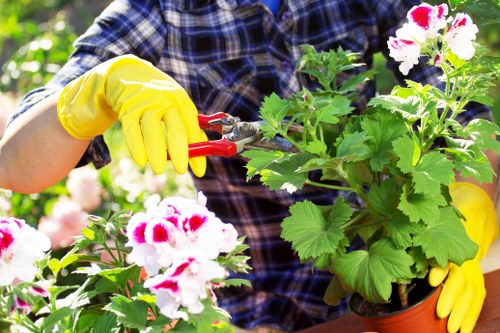
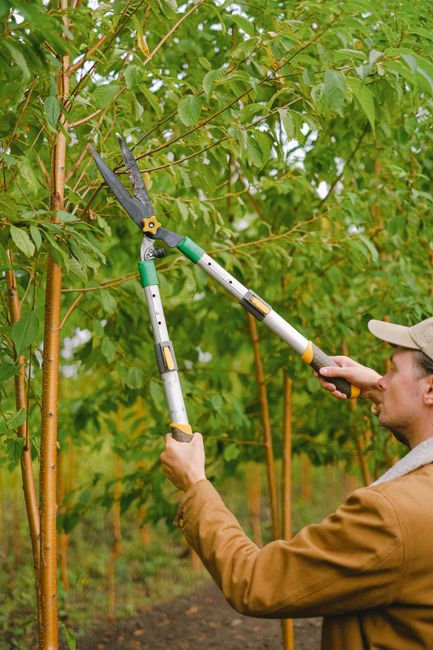
Hedge Trimming Norwood provides a focused gardening service for keeping formal and informal hedges neat, healthy and proportioned to their setting. Our work is centred on careful trimming that respects the plant type, the season and the shape you want to maintain, whether that means a crisp boundary line, a softer natural outline or a more substantial reduction after a period of growth. The aim is straightforward: give your hedge a controlled finish and keep the surrounding garden looking cared for.
Hedge trimming is more than cutting back stray growth. The way a hedge is cut affects thickness, light levels, flowering, long-term structure and how well the planting holds its shape. We work with those practical points in mind, taking care to avoid a harsh or uneven result. For many properties, the service is about keeping access clear, improving presentation from the street and preventing hedges from becoming difficult to manage later.
Alongside routine maintenance, our approach can also suit hedges that need a more considered tidy-up after a missed season or an extended spell of rapid growth. Good hedge care usually combines the right cutting line with attention to the plant’s condition, so the result looks deliberate rather than rushed. If you are comparing options, a simple place to start is to request a quotation and outline the hedge type, length and current condition.
Regular Hedge Cutting and Seasonal Maintenance
Regular hedge cutting helps keep growth dense near the base and easier to control at the edges. For many gardens, the most useful service is a repeat trim that stops a hedge from becoming too wide, too tall or too uneven. We can shape hedges to suit boundaries, paths, front gardens and side passages, with an emphasis on keeping the line clean without stripping the plant back more than needed.
Different hedge species respond differently to cutting, so timing and finish matter. Some hedges benefit from lighter, more frequent attention, while others need a more measured trim to preserve the plant’s form. We work with the growth habit rather than trying to force every hedge into the same pattern. That makes the service suitable for both closely clipped hedging and plants that should keep a fuller, less rigid appearance.
When a Hedge Needs More Than a Quick Trim
Some hedges are simply overdue a tidy, but others need careful reduction because they have outgrown their space or developed a misshapen outline. In those cases, trimming has to be controlled so the hedge stays balanced after the work is done. A heavy-handed cut can leave bare sections, while a staged approach can help bring the hedge back into line more safely. The right method depends on the species, current density and the amount of material to be removed.
There are also practical limits to consider. If a hedge has thin areas, old woody growth or major height differences, the work may need to focus on restoring an even profile rather than forcing a severe cut. We can discuss the likely finish and help you understand what is realistic for the plant in front of us. Shape, density and access all affect how the trimming should be planned, especially where the hedge borders a pavement, drive or shared boundary.
Useful information for a quotation usually includes the hedge length, approximate height and whether the top, front and back all need attention. If the hedge sits in a tight space or overhangs another area, mention that too. Keep it simple: send the basics first, then ask us to prepare a quote based on the scope you want. That helps keep the enquiry clear and avoids assuming more work than is required.
Finishing, Waste and Access Considerations
Hedge trimming often creates a surprising amount of green waste, so finishing the job properly matters almost as much as the cut itself. A tidy service should leave the hedge shaped and the surrounding area reasonably clear, rather than dropping clippings across paths, beds or lawns. For many customers, the decision is not just about the trim but about how the garden looks once the cuttings are dealt with and the boundaries are visible again.
Access is another practical point. Narrow side passages, fences, slopes and planting beds can all affect how the work is carried out and how clippings are removed. If a hedge runs close to windows, ornaments or hard landscaping, the trimming needs extra care to avoid avoidable disturbance. When you make an enquiry, it helps to mention anything that could affect reach or clean-up, so the quotation matches the actual job rather than a guess.
Hedge Shapes, Boundaries and Garden Presentation
Many customers want hedges that do more than simply grow well; they want them to look intentional. A hedge can define a front garden, soften a boundary, screen a property or frame a path, and the trim should suit that purpose. For example, a hedge that acts as a privacy screen may need its height managed carefully, while a decorative front hedge might need sharper lines and a neater top to complement the rest of the planting.
The best finish depends on the relationship between the hedge and the surrounding garden. A straight, even cut can suit formal spaces, while a lighter, less rigid trim can work better where the planting is meant to feel softer. Our service focuses on creating a result that looks balanced from the main viewing angles and works with the garden’s layout. If you are unsure what style to choose, a brief description of the setting is usually enough to guide the estimate.
Good presentation is often about consistency rather than extreme precision. Repeated care through the season usually keeps hedges easier to manage than one large correction after long neglect. That is why many property owners choose a regular pattern of trimming for key boundary hedges and entrance planting. A clear plan can reduce the amount of corrective cutting needed later and help the hedge retain a fuller, healthier outline.
What Can Be Included in a Hedge Trimming Visit
Depending on the hedge and the condition of the garden, a trimming visit can involve a mixture of shaping, levelling and selective reduction. Some hedges only need the outer growth taken back, while others need the top brought down and the sides brought in to restore proportion. The work is chosen to suit the hedge rather than following a single fixed method, because different plants and different gardens call for different results.
The most useful extras are usually practical rather than decorative. These may include removing obvious encroachment onto paths, easing overgrowth away from gates or reducing awkward branches that make the hedge harder to maintain later. Where several boundaries need attention, the work can often be organised so the most visible sections are tackled first. That gives the garden a cleaner overall look even before every detail is completed.
About Norwood

Norwood is a district in south London with a name that covers several closely linked neighbourhoods, each with its own character and built environment. The area developed significantly during the nineteenth century as London expanded southward, and much of its identity is tied to the arrival of transport links and the spread of suburban housing. Today the Norwood name is commonly associated with Crystal Palace, Upper Norwood, West Norwood and South Norwood, which together create a varied landscape of residential streets, local centres and green spaces. The area sits on higher ground than much of the surrounding city, and that elevation has long influenced both its views and its urban form.
One of Norwood’s best-known features is Crystal Palace Park, which lies close to the district and remains a major open space in the wider local area. The park is remembered for the Crystal Palace itself, moved there in the nineteenth century after the Great Exhibition before the building was destroyed by fire in 1936. Although the original palace is gone, the park still contains traces of that history, including the well-known dinosaur sculptures, landscape features and large expanses of greenery that make it a distinctive public place. The district also has strong connections to rail travel, with stations that helped shape its growth and continue to link it with central London and neighbouring suburbs. Architecturally, Norwood includes a mix of Victorian and Edwardian housing, interwar streets and later infill, creating a layered townscape rather than a uniform one. The combination of parks, hills, residential roads and busy local high streets gives the area a character that is both urban and green, with everyday life shaped by long-established neighbourhood patterns and a continuing sense of place.
Garden Maintenance Alongside Hedge Work
Hedge trimming often sits naturally alongside other garden maintenance tasks, particularly where the hedge is part of a larger boundary or planting scheme. A trimmed hedge can highlight areas that also need lawn care, border tidying or the removal of surplus growth around the base. When several parts of a garden are becoming untidy at once, it can make sense to bring the main boundary lines back into shape first and then deal with the smaller details around them.
For customers wanting a more rounded tidy-up, we can discuss how hedge cutting fits with broader garden maintenance without turning the job into unnecessary extra work. The point is to match the service to the garden’s condition. Sometimes a hedge trim is all that is needed; at other times, a tidy boundary looks better when the surrounding edges are also addressed. A thoughtful approach keeps the result neat without over-specifying work that the garden does not need.
How to Prepare for a Quotation
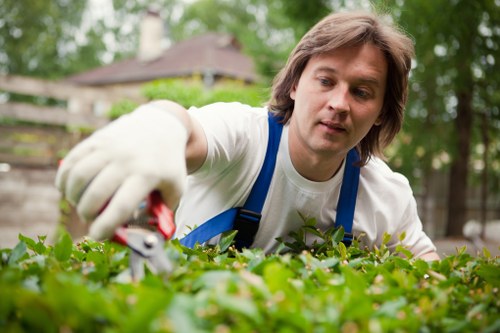
A clear quotation is easiest when the basic details are easy to understand. The most helpful points are the hedge location, its approximate size, whether it is a front, side or rear boundary, and whether you want a light trim or a more noticeable reduction. If there are several hedges, note which ones matter most so the estimate can reflect the work in the right order and the right level of detail.
Photographs are often useful when you want a quote without a site visit, especially if they show the hedge from a few angles and include any awkward sections. It also helps to mention access issues, nearby features and whether cuttings need removing. Keep the information practical and direct; that gives us enough context to respond sensibly without overcomplicating the enquiry. If you prefer to discuss the job before deciding, get in touch for a quotation when you are ready.
Choosing the Right Level of Hedge Care
Not every hedge needs the same degree of intervention. Some are best served by light, repeated trimming that preserves a neat outline, while others need a more restorative cut to regain structure after a period of neglect. Choosing the right level of care means being honest about what the hedge can support and what finish the garden is expected to keep. A tailored approach usually produces the most dependable result over time.
Where hedges form part of a boundary, the decision may be driven by privacy, light and sightlines as much as by appearance. A hedge that is too high can make a space feel enclosed, while one that is too wide can narrow a path or crowd a small garden. The aim is not just to cut growth back, but to leave a shape that still suits the property. If you want help deciding between a tidy-up and a fuller reduction, a quotation request is the easiest next step.
Requesting Hedge Trimming in Norwood
Hedge Trimming Norwood is designed for customers who want practical, well-finished hedge care carried out with attention to shape and plant condition. Whether the job is a standard seasonal trim, a boundary reduction or a tidier finish around a front garden, the service is built around giving the hedge a clean result that fits the setting. We keep the focus on the work itself, the likely finish and the details that affect how the job should be priced.
If you are comparing options, think first about the hedge’s length, height and current condition, then note any access or waste-removal points that could affect the estimate. That makes it easier to match the quotation to the real work involved. For a simple next move, ask for a quotation and share the details that matter most. It is a straightforward way to start planning the trim without committing before you are ready.