Real cost of emergency hedge trimming by Norwood gardeners
If your hedge has suddenly turned from "slightly untidy" into "needs sorting now", you are probably trying to work out the real cost of emergency hedge trimming by Norwood gardeners before the problem gets worse. Fair enough. When branches are blocking a path, touching a fence, leaning over a drive, or just looking a bit wild after a storm, waiting until next month can feel like a poor option.
The tricky bit is that emergency hedge work is not priced like a standard tidy-up. The final figure depends on access, hedge height, growth density, waste removal, timing, and whether the job is a simple trim or a more urgent cut-back. In this guide, we break the cost down in plain English so you can judge what is reasonable, what drives price, and how to avoid paying for panic rather than the actual work.
We will also cover when emergency trimming makes sense, what a good gardener will normally check first, and how to compare quotes without getting lost in jargon. Let's face it, nobody wants to overpay for a rushed job, but nobody wants to leave an overgrown hedge to become a bigger mess either.
Why the real cost of emergency hedge trimming by Norwood gardeners matters
The phrase "emergency hedge trimming" sounds straightforward, but in practice it covers a few very different situations. Sometimes it means a hedge has become unsafe after wind damage. Sometimes it means a property boundary is being blocked. And sometimes it is simply a hedge that has been left too long and now needs a much bigger intervention than expected.
The real cost matters because emergency work tends to be a mix of labour, urgency, and disposal. A quick tidy on a manageable front hedge is one thing. A heavy overgrown conifer hedge at the end of a narrow access path is another. If you only compare prices on headline figures, you can miss the parts that create the final bill.
In our experience, people often assume the cost is mostly about time spent cutting. Truth be told, that is only part of it. A gardener may also factor in vehicle access, ladder work, extra tools, green waste handling, and whether the hedge needs shaping, reduction, or just safe clearance. That is why a quote that seems higher at first can actually be the fairer one.
If you want a wider picture of the company's approach to jobs, it can help to look at the services overview alongside the dedicated hedge trimming service. Those pages give you a clearer sense of what is normally included before any emergency pricing is applied.
How the real cost of emergency hedge trimming by Norwood gardeners works
Emergency hedge trimming is usually priced on the basis of a site visit, photos, or a detailed description of the problem. A good gardener will want to know how tall the hedge is, how thick it has become, whether it is blocking access, and whether any waste needs to be removed immediately.
The final price is often shaped by five practical factors:
- Urgency - same-day or next-day work may cost more than a planned booking.
- Hedge size - taller, wider, denser hedges take longer and usually need more equipment.
- Access - awkward side passages, rear gardens, or limited parking can add time.
- Waste volume - a small hedge trim creates very different waste from a major cut-back.
- Risk level - working near roads, fences, glass, or overhead obstacles needs extra care.
There is also a difference between trimming, reducing, and restoring a hedge. Trimming is routine shaping. Reduction means taking size down carefully. Restoration is more like bringing a neglected hedge back under control. That last one is usually the most expensive, because it is the most labour-heavy and often the least predictable.
If the hedge is part of a larger garden reset, you may need to consider related work too. A heavy hedge job can pair naturally with garden maintenance or, if the space has been left for a while, garden clearance. That is not just upselling; sometimes the hedge is only one piece of a bigger, overgrown picture.
Key benefits and practical advantages
Emergency hedge trimming is not just about appearances. Sometimes it is about removing immediate inconvenience before it becomes a safety or neighbour issue. A hedge that has blown over or started spilling across a public-facing side can quickly become a nuisance, and on a wet London morning it can feel even worse because everything looks heavier and more cramped.
Here are the practical upsides of dealing with it quickly:
- Restores access to paths, gates, drives, and bins.
- Reduces safety risks from unstable growth or obstructed sightlines.
- Stops the problem spreading into a bigger, more expensive cut-back later.
- Improves the look of the property before visitors, tenants, or buyers see it.
- Makes future maintenance easier because the hedge is brought back to a manageable shape.
There is also a quieter benefit: peace of mind. When the hedge is sorted, the whole garden usually feels less tense. You notice the light again, you can hear the street better, and oddly enough the space feels tidier even if nothing else has changed. Small thing, but it matters.
For ongoing upkeep, emergency work is best treated as a reset, not a routine solution. After the urgent job, a gentler ongoing plan through regular garden maintenance usually helps keep the next bill down.
Who this is for and when it makes sense
Emergency hedge trimming makes sense for homeowners, landlords, letting agents, and anyone responsible for a garden boundary that has become difficult to manage quickly. It is especially relevant when a hedge is affecting access or creating a clear visual or physical problem.
Typical situations include:
- after strong wind or stormy weather
- before a property viewing or tenancy changeover
- when a hedge is blocking a footpath, drive, or side gate
- when overgrowth is causing tension with neighbours
- when a hedge has not been maintained and now needs urgent cutting back
Sometimes people wait too long because they are hoping the hedge will "just hold itself together" until the weekend. A bit optimistic, that. If branches are already snapping, leaning, or pushing into a boundary, the sensible move is to get it assessed promptly.
It also makes sense to combine hedge work with other garden tasks if the whole plot needs attention. For example, if grass is knee-high and the hedge is dropping debris everywhere, pairing hedge trimming with lawn mowing can create a much cleaner result in one visit.
Step-by-step guidance
If you are trying to work out the real cost of emergency hedge trimming by Norwood gardeners, the best approach is to move from problem to quote in a structured way. That keeps surprises down and helps you judge whether the price makes sense.
- Assess the urgency. Ask yourself whether the hedge is merely untidy or actually causing an access, safety, or boundary issue.
- Measure what you can. Approximate height, length, and how deep the hedge is. Even rough estimates help.
- Take clear photos. Wide shots and close-ups both help. A photo of the access route can be surprisingly useful too.
- Explain the outcome you need. Do you want a neat trim, a cut-back, or full removal of the overgrown sections?
- Ask what is included. Check whether waste removal, shaping, and tidy-up are part of the price.
- Confirm timing. Emergency work should be clear about same-day, next-day, or next-available booking.
- Compare like with like. One quote may include disposal and labour; another may not. Apples and pears, really.
- Book the right follow-up. If the hedge has been heavily cut, ask about the best interval for future maintenance so the same problem does not return fast.
If you want to know how a provider approaches quoting and what to expect from the process, the pricing and quotes page is a sensible place to start. It helps you understand the difference between a rough guess and a proper, item-aware estimate.
Expert tips for better results
Most expensive hedge jobs become expensive because they were left until they were awkward. That sounds obvious, but it is the truth of it. A hedge trimmed before it gets woody, tangled, or out of reach is far cheaper than one that needs restorative work with extra waste and extra time.
Here are some practical tips that really do help:
- Get quotes with photos. This reduces misunderstanding and helps the gardener price more accurately.
- Be honest about the state of the hedge. A hedge that looks "a bit tall" from the front may be a beast from the rear.
- Choose timing carefully. If the hedge is not actively causing a problem, a planned booking can often be cheaper than a rush job.
- Ask about waste removal up front. Green waste can take time to load, transport, and dispose of properly.
- Consider the whole boundary. If one side is badly overgrown, the opposite side may also need attention to keep shape and balance.
A small but useful point: photos taken in daylight, not at dusk, tend to help enormously. At 7:30 in the evening, everything looks either fine or alarming for the wrong reasons. Better to show the hedge in plain light, so the gardener can judge it properly.
If the job involves mixed garden work, a gardener may suggest pairing hedge trimming with wider improvement work through landscape gardening or even landscaping if the borders and layout also need attention. That is useful when the hedge is part of a broader visual issue, not just a one-off chop.
Common mistakes to avoid
People usually make the same few mistakes when they are trying to control emergency hedge costs. The good news? They are avoidable.
- Waiting until the hedge is a bigger problem. A half-hour fix can become a multi-hour job if growth is ignored.
- Requesting "just cut it back" without detail. That phrase can mean very different things to different people.
- Forgetting waste disposal. Hedging creates bulk, and bulk costs time to handle.
- Comparing only the cheapest quote. The cheapest job is not always the best value, especially if it omits tidy-up.
- Not checking access. A narrow alley or lack of parking can affect how long the job takes.
- Expecting precision from damaged hedges. If storm damage has twisted growth, a perfect finish may not be realistic on the first pass.
One more thing. Don't assume a hedge can be hacked back hard whenever you like. Some hedges tolerate heavy cuts better than others, and an experienced gardener will know when to be careful. A rushed cut can leave ugly gaps or weak regrowth, and then you are dealing with a new problem. That is the bit people don't always see.
Tools, resources and recommendations
You do not need to turn into a hedge-trimming expert yourself, but it helps to know what a professional will often use and why it matters to price.
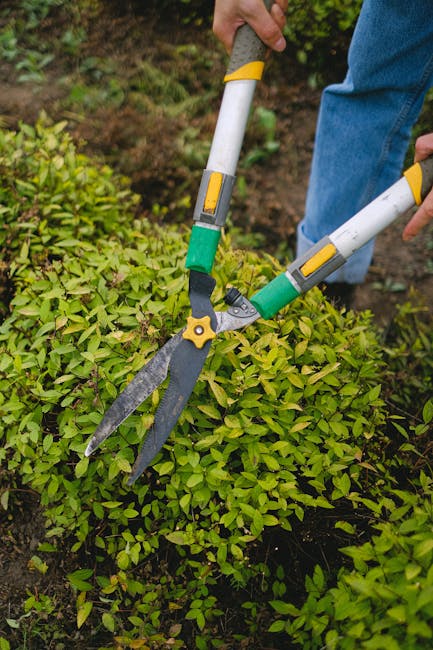
- Hand hedge shears for detailed shaping and finish work.
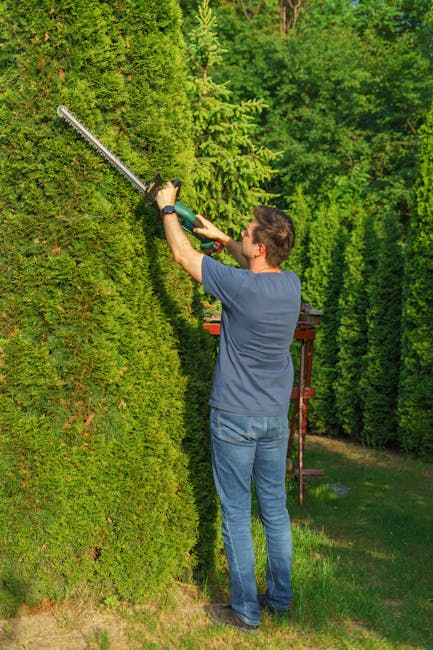
- Long-reach trimmers for taller or wider hedges.
- Step ladders or access equipment where height and safety require it.
- Tarps, sacks, or loaders for managing cuttings.
- Personal protective equipment such as gloves, eye protection, and sturdy footwear.
For the customer, the most useful "resource" is a clear brief. A few photos, a rough measurement, and a simple explanation of your deadline will usually do more than pages of description. If you are unsure what to send, look through the provider's about us page to understand their working style and then follow up with a direct enquiry.
If you are thinking ahead to future upkeep, it is worth considering whether the hedge should sit within a broader seasonal routine. That may involve hedge trimming, light garden tidying, and a bit of lawn care so the whole space feels under control rather than permanently on the edge of chaos.
Law, compliance, standards, or best practice
Hedge work is not just a cosmetic service. In the UK, good practice matters because trimming often touches boundaries, access routes, neighbouring properties, and waste handling. You do not need to quote legislation to know when care is needed, but you do need a cautious, professional approach.
Best practice usually includes:
- taking reasonable steps to avoid damage to fences, walls, windows, and neighbour property
- working safely around tools, heights, and slippery ground
- keeping access routes as clear as possible during the job
- disposing of green waste responsibly
- being clear about what will be cut and what will be left in place
If a hedge sits near a boundary, pathways, or a road, a careful gardener should think about visibility and safe working methods. For a customer, this is where trust matters. Ask whether the contractor has appropriate safety procedures and insurance cover. The insurance and safety page is useful for understanding how a responsible business frames that part of the service.
There is also an environmental angle. Hedge cuttings can often be recycled or composted depending on how they are handled, and many customers now prefer a service that takes sustainability seriously rather than simply tipping everything into mixed waste. If that matters to you, the recycling and sustainability page is worth a look.
Professional conduct matters too. If something goes wrong with a service, you want to know there is a proper way to raise it. That is where the provider's complaints procedure comes in handy. Not exciting, granted, but useful.
Options, methods, or comparison table
Not every urgent hedge job needs the same level of intervention. Comparing the main approaches side by side makes it easier to see why prices differ.
| Method | Best for | Typical effort | Cost pressure | Notes |
|---|---|---|---|---|
| Light emergency trim | Hedge is slightly overgrown or blocking a small section | Low to moderate | Lower | Often the quickest and cleanest fix |
| Urgent reduction | Hedge has grown too tall or too wide | Moderate to high | Medium to high | Needs careful shaping, not just cutting |
| Restorative cut-back | Neglected hedge, uneven structure, or storm damage | High | Higher | May take longer and create more waste |
| Emergency clearance plus maintenance | Hedge and surrounding garden are both out of control | High | Higher overall, but efficient | Can be good value if several issues are tackled together |
The main thing to notice is that "emergency" does not automatically mean "expensive because of the word." It becomes expensive when the job is complex, time-sensitive, or waste-heavy. If a gardener can solve it in a short, tidy visit, the cost may be more modest than you feared.
Case study or real-world example
Here is a realistic example based on the sort of job people often call about. A homeowner in Norwood notices that a front hedge has grown across the pavement after a windy spell. It is not a full collapse, but it is bulky, uneven, and getting in the way of daily use. The front gate opens awkwardly, the cuttings are dropping onto the path, and the whole thing looks a bit tired.
They send photos in daylight, confirm access is straightforward, and explain that they need the hedge brought back within its boundary and fully cleared away the same day. Because the job is clear, the gardener can assess it properly. The quote reflects the urgency, the hedge volume, and the time needed to remove waste.
Now compare that with a second scenario: the same hedge, but with unknown rear access, a badly overgrown side return, and no idea whether waste can be stored on site. That second job will almost always take longer to quote and likely cost more once the work starts. Not because anyone is being dramatic. Just because hidden effort has a way of showing up on the day.
That is why the most cost-effective emergency call is usually the most organised one. Good photos, clear instructions, and a realistic expectation of the finish. Simple, but effective.
Practical checklist
Use this quick checklist before you book emergency hedge trimming:
- Is the hedge causing an access, safety, or boundary issue right now?
- Have you taken clear photos in good daylight?
- Do you know roughly how tall, long, and deep the hedge is?
- Have you decided whether you want a trim, reduction, or restorative cut-back?
- Have you checked whether waste removal is included?
- Is there parking or access information the gardener should know?
- Have you mentioned nearby hazards such as glass, cables, fences, or slippery ground?
- Do you need the work done urgently, or would a planned visit be acceptable?
- Will the hedge need follow-up maintenance after the emergency job?
- Have you reviewed the provider's pricing information and service approach?
Expert summary: the real cost of emergency hedge trimming by Norwood gardeners is usually driven less by the label "emergency" and more by access, size, waste, and urgency. If you describe the job clearly, you are far more likely to get a fair, usable quote first time.
Conclusion
The real cost of emergency hedge trimming by Norwood gardeners is best understood as a practical total, not a single price tag. Once you factor in urgency, hedge size, access, waste, and the type of cut needed, the quote starts to make a lot more sense. And that is really the point: clear information helps you avoid surprises.
If the hedge is causing stress, blocking access, or beginning to look unsafe, dealing with it now is often cheaper than leaving it to become a bigger job later. A good gardener will explain the work plainly, keep the process straightforward, and help you choose the most sensible option rather than the most expensive one.
If you are ready to take the next step, speak to a local specialist, share a few photos, and ask for a clear breakdown of what is included. That small bit of preparation usually pays off. Sometimes the calmest fix is just getting it sorted, properly and without fuss.
Get a free quote today and see how much you can save.
Frequently Asked Questions
What affects the real cost of emergency hedge trimming the most?
The biggest factors are urgency, hedge height, density, access, and waste removal. A small urgent trim is usually much cheaper than a tall, overgrown hedge that needs reduction and clearing.
Is emergency hedge trimming always more expensive than a normal booking?
Usually, yes, because the gardener may need to rearrange work or attend quickly. That said, if the hedge is easy to access and simple to cut, the increase may be smaller than you expect.
How can I get a more accurate quote?
Send clear photos, include rough measurements, explain what you want done, and mention access details. The more the gardener can see upfront, the less chance there is of a price change later.
Does waste removal change the cost?
Very often it does. Hedge cuttings take time to collect, load, transport, and dispose of properly, so waste handling is one of the main things that affects the final price.
Can I just wait and trim the hedge myself later?
If the hedge is not causing a safety or access issue, maybe. But if it is blocking a path, leaning over a boundary, or storm-damaged, waiting can make the job bigger and more awkward.
What is the difference between trimming and reducing a hedge?
Trimming is light shaping and tidying. Reduction means taking the hedge down in size, which usually needs more care, more time, and a better sense of the hedge's structure.
Should I book hedge trimming with other garden work?
If the rest of the garden is also untidy, yes, it can be smart to combine jobs. Pairing hedge work with lawn mowing or garden maintenance can sometimes be more efficient than separate visits.
What if my hedge has storm damage?
Storm-damaged hedges often need a careful assessment before cutting starts. A good gardener will look at stability, broken branches, and what can safely be removed without making the hedge look worse.
Do I need to worry about safety or insurance?
Yes, especially if the hedge is tall, awkward, or near property boundaries. It is sensible to choose a provider that can explain their safety approach clearly and has suitable cover in place.
Is same-day hedge trimming available in Norwood?
Sometimes it is, depending on diary space and the size of the job. Same-day work is more realistic for smaller or clearer jobs, while larger jobs may need the next available slot.
What should I ask before agreeing to the price?
Ask what exactly is included, whether waste removal is covered, how urgently the work can be done, and whether the price is fixed or may change if access is different from expected.
What is the best next step if I need help now?
Gather a few photos, note any access issues, and request a quote through the provider's contact page. A clear message saves time and usually gets you a better answer.