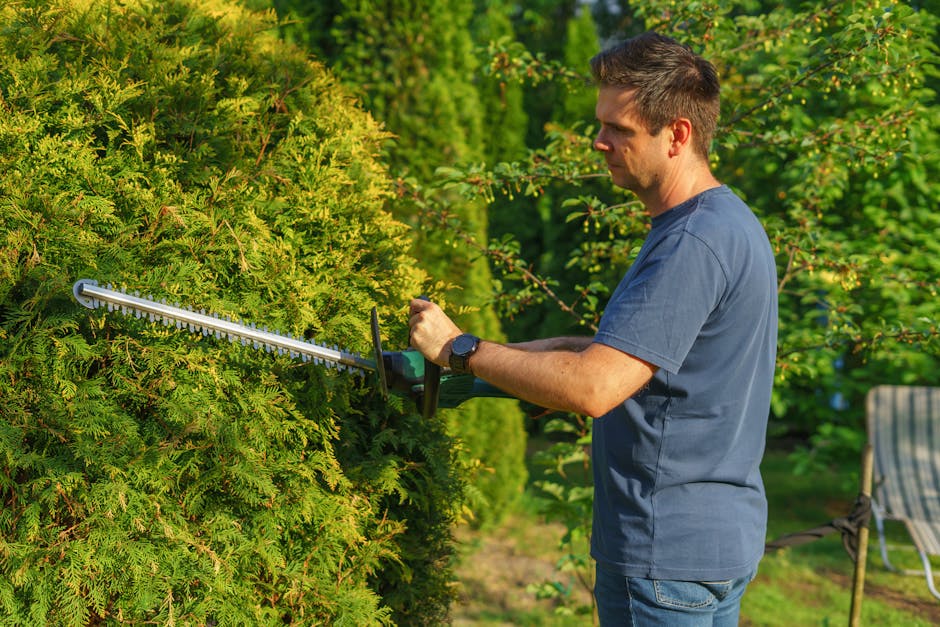
Norwood Junction gardeners near me guide for flats and gardens
If you live in a flat, maisonette, or a house with a small front or rear garden around Norwood Junction, finding the right help can feel more complicated than it should. You want someone local, reliable, and used to the realities of London outdoor spaces: tight access, shared entrances, awkward bins, neighbours close by, and weather that seems to change its mind every ten minutes. This Norwood Junction gardeners near me guide for flats and gardens is here to make that decision easier.
Whether you need a one-off tidy-up, regular lawn care, balcony planting, hedge trimming, or a proper seasonal refresh, the right gardener can save time and make a space feel calmer, brighter, and much more usable. And truth be told, a small outdoor area can do a lot when it is looked after properly. You do not need a huge plot to enjoy it.
Below, you will find a practical guide to what local gardeners can do, how to compare options, what to ask before you book, and what good service looks like for flats and gardens in and around Norwood Junction.
Why Norwood Junction gardeners near me guide for flats and gardens Matters
Local gardening support matters more in Norwood Junction than people sometimes expect. The area has a mix of terraces, converted flats, compact front gardens, side returns, and shared outdoor spaces. Those spaces are often small, slightly awkward, and very easy to let slide. Once a garden gets overgrown, everything becomes harder: bin access, light levels, drainage, and even how safe the area feels when you step outside.
A local gardener understands the practical stuff. They know that a narrow passage can make wheelbarrow access tricky, that privacy screens need to be thought through carefully, and that a small patch of lawn can look tired very quickly if it is cut too short or too late. They also understand that flat residents often need flexible timing, respectful noise levels, and tidy working habits because there may be neighbours, shared hallways, and limited storage for equipment.
This is also about making better choices. Searching for a gardener "near me" is not just about proximity. It is about finding someone who can get to you quickly, quote realistically, and work in a way that suits your property. For some homes, that might mean weekly maintenance. For others, it could be a one-off clear-up before summer or a seasonal planting refresh to make a balcony feel less bare and more lived in.
And there is a simple truth here: if you are paying for gardening help, you want the outdoor space to look better, not just different. That sounds obvious, but you would be surprised how often the wrong approach leaves a garden looking stripped back and oddly unfinished. A good local gardener balances neatness with character. Little difference, big effect.
How Norwood Junction gardeners near me guide for flats and gardens Works
Most local gardening services begin with a brief conversation about your space, what you want done, and how often you need help. For a flat, this might include balcony planting, container care, pressure cleaning of small hardstanding areas, and maintenance of shared entrance planting. For a house or ground-floor property, the service may expand into mowing, edging, border clearing, hedge work, pruning, and waste removal.
In practice, the process is usually straightforward:
- You describe the space. Size, access, sunlight, current condition, and any problem areas such as weeds, overgrown shrubs, or poor drainage.
- The gardener assesses what is realistic. They should be honest about what can be achieved in one visit and what would benefit from ongoing care.
- A quote or estimate is provided. This may be hourly, per visit, or based on the job type. Clear scope matters here.
- The work is carried out. Good gardeners tidy as they go, especially in shared buildings where debris can become a nuisance.
- Follow-up recommendations are given. For example, whether the lawn needs scarifying, whether a shrub should wait until the right season, or whether pots need better compost and drainage.
That sounds simple enough, but the quality of the first conversation tells you a lot. A professional will ask sensible questions: Is there water access? Is there a lift? Are there pets? Do the neighbours need warning about noise? Can waste be removed from site? These little details matter, especially in London where access can make or break a job.
If you are comparing broader outdoor services too, it can help to look at a provider's wider range. Pages such as garden maintenance services and lawn care support can show whether they handle routine upkeep as well as one-off tidy-ups. For more complex outdoor projects, you may also want to review garden clearance options before booking anything substantial.
Key Benefits and Practical Advantages
There are real benefits to hiring a local gardener for a flat or garden near Norwood Junction, and not all of them are cosmetic. A tidy outdoor space changes how you use the home. It also changes how easy the home is to maintain.
- Better day-to-day usability. A clean path, trimmed borders, and healthy pots make a space feel easier to step into and enjoy.
- More suitable plant choices. Local gardeners can suggest plants that cope better with shade, wind, or the patchy sun common in urban settings.
- Less stress during busy periods. If you are juggling work and family life, garden tasks are often the first thing to slip. A gardener keeps the space from becoming another weekend chore.
- Improved appearance for visitors or lettings. If you rent out a flat or have guests often, first impressions matter. They always do.
- Reduced risk of overgrowth or damage. Neglected shrubs can block light or brush against walls, and poor maintenance can quietly become expensive later on.
- Help with awkward spaces. Balconies, narrow side returns, and shared courtyards can all benefit from practical know-how rather than generic advice.
For many people, the biggest advantage is peace of mind. You know the work is being handled by someone who understands local conditions, rather than by a service that treats every garden as if it were the same. To be fair, no two outdoor spaces are the same anyway. One flat may have a sunny balcony with dry pots and tired herbs, while another has a shaded courtyard where moss and damp are the real battle.
There is also a maintenance advantage. Small spaces respond quickly to care. A single proper clean-up can transform how the area looks, and regular visits stop things from sliding backwards. That is the difference between constantly catching up and actually staying on top of it.
Who This Is For and When It Makes Sense
This guide is useful for anyone in Norwood Junction looking for garden help, but it is especially relevant if you live in a flat or manage a compact outdoor area. If your outside space feels too small to matter, it probably matters more than you think. A balcony with dead plants and clogged trays, for example, can feel neglected in a way that affects the whole home.
You may benefit most if you are:
- a flat owner or tenant with a balcony, terrace, or small courtyard
- someone with a front garden that needs regular tidying
- a landlord preparing a property for new tenants
- a homeowner who wants seasonal pruning and planting help
- an older resident who prefers safe, reliable help rather than trying to do everything alone
- a busy household that keeps meaning to "sort the garden next weekend" and never quite gets there
It also makes sense if your outdoor area is becoming a source of friction. Maybe leaves collect by the entrance. Maybe weeds are creeping through paving. Maybe the hedge is getting too high and neighbours are getting a bit twitchy about it. That sort of thing happens. A local gardener can put it right before it grows into a bigger problem.
If you are unsure whether to book a one-off visit or ongoing maintenance, ask yourself a simple question: do you want the space improved once, or looked after properly through the year? That answer usually points you in the right direction.
Step-by-Step Guidance
If you are ready to find a gardener near Norwood Junction, the process becomes much easier when you break it down. No drama. Just a few sensible steps.
- List the jobs you actually need done. Write down everything: mowing, weeding, hedge trimming, planting, jet washing, balcony pots, waste removal, or general tidy-up. Keep it honest and specific.
- Measure the space or describe it clearly. You do not need a surveyor's report, but rough dimensions, access notes, and photos help a lot.
- Think about frequency. Is this a one-off reset, monthly maintenance, or seasonal work? A gardener can quote more accurately when the pattern is clear.
- Ask how they handle waste. Many jobs create green waste, and you need to know whether removal is included or priced separately.
- Check what tools are provided. Some jobs need a strimmer, hedge trimmer, ladders, or pressure washing equipment. Do not assume.
- Confirm access and timing. Flat entrances, shared gates, parking, lift access, and neighbour considerations all matter.
- Get clarity on plant care. If you have pots, beds, or established shrubs, ask whether the gardener will prune, feed, mulch, or simply tidy.
- Review the quote carefully. Look for hidden extras such as disposal fees, labour minimums, or follow-up visits.
- Start with one visit if needed. If you are uncertain, a single trial clean-up can show you how they work before you commit to regular service.
A quick photo message can be enough to begin. In our experience, clear images of the whole space and a couple of problem areas save everyone time. And yes, it avoids the classic "it's not as bad as it looks" conversation. Although sometimes it is as bad as it looks.
For planning around seasons, the timing matters too. Spring and early summer are popular for planting and general rejuvenation, while late autumn is often better for clearing leaves and preparing beds. If you need structural work such as more substantial tree or hedge attention, it is worth checking whether the provider also offers hedge trimming services or related tree care support so the job is handled safely and properly.
Expert Tips for Better Results
Good garden work is rarely about doing more. It is about doing the right things in the right order. That sounds slightly obvious, but it saves time and keeps costs sensible.
1. Start with the biggest visual wins
If the space is messy, focus first on the things that change the overall impression: weeds, edges, overgrowth, dead plants, and clutter. Once the framework looks tidy, the finer details matter more.
2. Match plants to the actual conditions
Sun, shade, wind, and watering habits make a bigger difference than people think. A plant that looks lovely in a shop may be a poor fit for a shady Norwood Junction courtyard. Local experience helps here.
3. Don't overfill small spaces
Compact gardens and balconies can become crowded quickly. Leave room for movement, maintenance, and airflow. A space with a little breathing room usually looks more expensive, even when it is simple.
4. Use containers wisely
Pots are brilliant for flats, but they need drainage holes, the right compost, and a plan for watering. A pot with nowhere for excess water to go can become a mess after a heavy rain. London weather will test everything, eventually.
5. Ask for seasonal advice, not just labour
A proper gardener should tell you when to prune, when to leave things alone, and what will improve over time. That guidance is often more valuable than the cutting and clearing itself.
If your garden feels a bit flat, a simple design tweak can help: one taller feature plant, one flowering section, and one clean, functional area. That three-part approach works surprisingly well in smaller spaces. Nothing fancy. Just tidy, balanced, and easy to live with.
Common Mistakes to Avoid
Plenty of people make the same mistakes when hiring a gardener for flats and small gardens. Most of them are avoidable once you know what to look for.
- Choosing only by distance. "Near me" is helpful, but competence and reliability matter far more than postcode convenience.
- Not defining the job clearly. If you do not specify whether you want pruning, waste removal, or planting, the quote may not match your expectation.
- Assuming all gardeners do the same work. Some specialise in maintenance, some in clearance, and some in planting or landscaping. There is overlap, but not total overlap.
- Ignoring access issues. Shared entrances, parking restrictions, and narrow side paths can affect time and cost.
- Letting hedges and shrubs go too long. Overgrown work often takes longer and can be more disruptive than lighter, regular maintenance.
- Skipping aftercare. If a space has been cleared or replanted, it usually needs a little follow-up. Otherwise it slides back quickly.
One common oversight, especially in flats, is forgetting about shared responsibilities. If the garden is communal or visible to neighbours, make sure the work is coordinated properly. A quick conversation avoids misunderstandings. It is not glamorous, but it saves headaches.
Tools, Resources and Recommendations
For readers who like to keep a hand in their own maintenance, a few simple tools go a long way. You do not need a shed full of kit. A modest setup is often enough for a balcony or small garden.
- Hand shears and secateurs for light pruning and deadheading
- Spade and trowel for planting and border work
- Sturdy gloves for thorns, soil, and general cleanup
- Watering can or hose for container plants
- Leaf rake or small broom for patios and entrances
- Compost and mulch to improve soil and retain moisture
- Plant labels or notes if you are keeping track of varieties and care schedules
For service comparison and planning, it can also help to review useful local pages such as patio cleaning if hard surfaces are part of the job, or planting services if you want a more decorative result rather than just a tidy-up. If you are trying to stay on top of the whole property, ongoing maintenance plans are often more practical than repeated emergency fixes.
My honest recommendation? If a provider can handle a mix of cleaning, pruning, planting, and general upkeep, you are likely dealing with someone who understands real-world gardens rather than just a single task. That usually pays off.
Law, Compliance, Standards, or Best Practice
For most home gardening jobs, the main concerns are less about formal regulation and more about safe, courteous, and responsible working. Still, there are sensible standards to keep in mind, especially in London where properties can be close together.
Best practice usually includes:
- Respecting neighbours and shared access. This matters in flats, maisonettes, and communal outdoor spaces.
- Handling waste properly. Green waste should be bagged, removed, composted, or disposed of in a responsible way.
- Using equipment safely. Ladders, power tools, and hedge trimmers need proper care and judgement.
- Protecting plants and hard surfaces. Good gardeners avoid unnecessary damage to paving, walls, and surrounding planting.
- Being realistic about seasonal work. Some pruning and planting tasks are better left to the right time of year rather than forced early.
If a job involves higher-risk work, such as large tree work, substantial cutting near buildings, or awkward access, it is sensible to ask how the work will be managed. Do not be shy about this. A trustworthy gardener will understand the question and answer it plainly.
For flats in particular, shared responsibilities and building rules may apply. Leaseholders, landlords, and managing agents may all have a say in what can be done and when. A brief check before booking avoids hassle later. Not exciting, admittedly, but much better than a complaint after the fact.
Options, Methods, or Comparison Table
Different outdoor spaces need different approaches. A balcony planter box is not the same as a small lawn, and a communal courtyard is not the same as a private back garden. The table below gives a simple comparison.
| Option | Best for | Typical focus | Things to watch |
|---|---|---|---|
| One-off tidy-up | Overgrown or neglected spaces | Clearing, weeding, cutting back, waste removal | Can look good fast, but may need follow-up |
| Regular maintenance | Small gardens, front gardens, shared entrances | Ongoing mowing, edging, pruning, tidying | Usually the easiest way to stay on top of things |
| Balcony or container care | Flats with limited outdoor space | Plant choice, watering, deadheading, pot refresh | Drainage and weight on balconies matter |
| Seasonal refresh | Homes that need a spring or autumn reset | Planting, mulching, leaf clearance, rebalancing beds | Best when timed to suit the weather and planting needs |
| Clearance and recovery | Very neglected plots or rented homes | Heavy tidy-up, weed removal, cutting back, debris disposal | May need a second visit to refine the result |
If you are unsure which option fits, start with the lightest version that gets you back in control. You can always build from there. That is usually smarter than throwing everything at the problem in one go.
Case Study or Real-World Example
Here is a realistic example based on the kind of work local gardeners often handle. A resident in a first-floor flat near Norwood Junction had a small terrace and three large pots that had gone a bit wild by late spring. The plants were mixed: one healthy shrub, one half-dry lavender, and a trailing plant that had started covering the path. The terrace itself had a light layer of moss, a few weeds in the edges, and two bags of old compost taking up room by the door. Not terrible, but definitely not pleasant.
The first visit focused on the basics. The space was cleared, the pots were refreshed, the dead growth removed, and the paving cleaned. After that, the gardener suggested a simpler plant plan: one structural evergreen, two flowering pots for colour, and an easier watering routine suited to the resident's schedule. Nothing overcomplicated. Just manageable.
The result was not just a tidier terrace. It became a space the resident actually used again on weekday evenings, especially in those soft June evenings when the light hangs around and the air feels a bit calmer. That is the real value of decent gardening work. It changes behaviour, not just appearance.
And that's the bit people often miss. A good outdoor space gets used. A neglected one gets ignored. Simple as that.
Practical Checklist
Use this checklist before booking a gardener for a flat or garden in Norwood Junction:
- Have you listed the exact tasks you want done?
- Do you know whether the space is private, shared, or communal?
- Have you shared clear photos or a short description of the area?
- Is access straightforward, or are there parking, gate, or stair issues?
- Do you need waste removal included?
- Are there any pets, fragile plants, or building rules to mention?
- Do you want a one-off visit or ongoing maintenance?
- Have you asked what tools and materials will be provided?
- Do you need planting advice as well as labour?
- Have you checked whether the provider handles related tasks such as clearing, trimming, or patio cleaning?
Quick expert summary: The best local gardener for flats and gardens is not necessarily the cheapest or the closest. It is the one who understands your space, gives a clear quote, works tidily, and suggests the right level of care for the long term. That's the sweet spot.
Conclusion
Finding the right gardener near Norwood Junction does not need to be a faff. If you focus on what your flat, terrace, or garden really needs, you will usually end up with better results and fewer surprises. Start with clear goals, look for local experience, and choose someone who understands the practical realities of small urban spaces.
A well-kept garden does more than look neat. It makes a home feel lighter, calmer, and easier to live in. And in a busy part of London, that counts for a lot.
If your outdoor space has been waiting for attention, now is a sensible time to act. A small improvement today can make next month feel noticeably easier.
Get a free quote today and see how much you can save.
Frequently Asked Questions
What should I look for in Norwood Junction gardeners near me guide for flats and gardens?
Look for clear communication, local experience, tidy working habits, and services that match your space. For flats, access and shared-space awareness matter just as much as gardening skill.
Can a gardener help with a balcony garden in a flat?
Yes. Many gardeners can help with container planting, pot refreshes, watering plans, deadheading, and general balcony tidy-ups. Just make sure they are comfortable working in smaller spaces.
How often should a small garden be maintained?
That depends on the space, but many small gardens benefit from monthly or fortnightly attention in growing season. A one-off tidy-up can help, but regular care usually keeps costs and effort lower over time.
Do local gardeners remove green waste?
Some do, some do not. Always ask before booking. Waste removal may be included in the quote or priced separately depending on the size of the job.
Is it better to book a one-off tidy or regular maintenance?
If the garden is overgrown, a one-off tidy-up is a useful reset. If you want the space to stay neat, regular maintenance is usually better. Most people with small urban gardens find a repeat schedule far easier.
What kind of jobs are suitable for a flat outdoor space?
Typical flat jobs include balcony planting, pot maintenance, weeding, light cleaning, small-space pruning, and seasonal refreshes. Some flat outdoor spaces can also handle compact furniture or decorative screening if planned properly.
Do I need permission for gardening work in a shared courtyard?
Sometimes, yes. If the area is communal or managed by a landlord or freeholder, it is sensible to check before major work begins. Simple maintenance is often fine, but anything substantial should be cleared first.
How can I compare different gardeners fairly?
Compare scope, reliability, communication, waste handling, and whether they understand your type of property. Price matters, but the cheapest quote is not always the best value if it leaves work incomplete.
What should I send when asking for a quote?
Send photos of the whole area, a brief list of tasks, details about access, and whether you need waste removed. A little context helps the gardener quote more accurately and saves back-and-forth.
Can gardeners help with planting as well as clearing?
Yes, many can. If you want your space to look good long term, planting advice is often just as important as clearance. Ask whether they can supply plants, recommend species, or work from your existing plan.
Are there any seasonal jobs I should prioritise in Norwood Junction?
Spring is a good time for tidying, planting, and reshaping beds. Autumn is often best for leaf clearance, cutting back, and preparing the space for winter. The exact timing depends on what you have planted and how exposed the space is.
What is the biggest mistake people make with small gardens?
Overcrowding and leaving maintenance too long. Small spaces become hard to enjoy when they are packed with too many plants or when weeds and clutter are allowed to build up. Keep it simple and keep it regular.