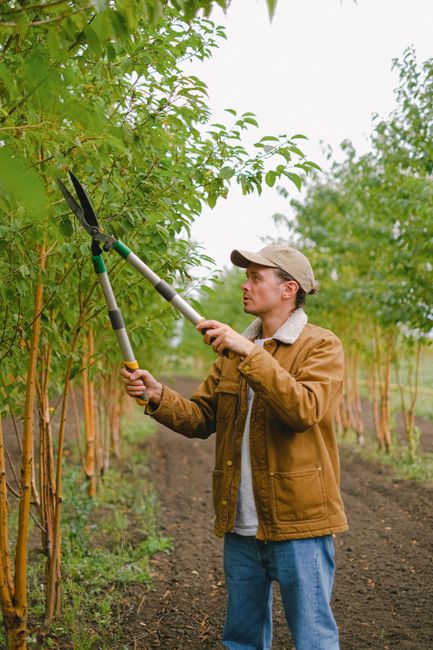
Lambeth Council rules for tree pruning by Norwood gardeners
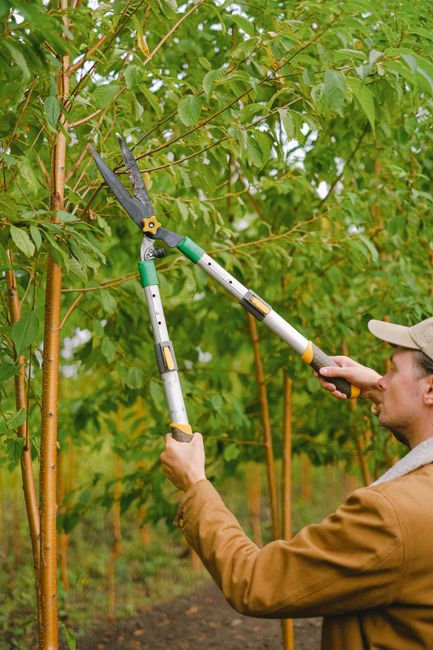
If you are planning tree pruning in Norwood, the rules can feel a bit tangled at first. One neighbour wants light to reach their garden, another worries about overcutting, and Lambeth Council may have a say if the tree is protected or the work affects public space. That is exactly why understanding Lambeth Council rules for tree pruning by Norwood gardeners matters before anyone lifts a saw. Done well, pruning keeps trees healthy, tidy, and safe. Done badly, it can lead to complaints, wasted money, or worse, damage to the tree itself. This guide walks through the practical side of the rules, what gardeners should check, and how to keep the work sensible, legal, and cleanly executed.
It is not just for big jobs either. Even modest pruning can trigger questions about ownership, conservation status, boundary lines, nesting birds, and responsibility for waste. Truth be told, most issues arise because people rush the first step. So let's slow it down a touch and make it useful.
Why Lambeth Council rules for tree pruning by Norwood gardeners Matters
In a place like Norwood, trees are part of the character of the street. They soften terraced housing, give privacy, cool a garden in summer, and make a front drive feel less like a slab of paving. But the same tree that looks lovely from your window can become a problem if it blocks light, drops limbs, touches wires, or crosses a boundary. That is where council rules come in.
Lambeth Council rules are important because not every tree can be pruned freely. Some trees are protected by Tree Preservation Orders, some sit in conservation areas, and some are simply on land where the owner must be careful about duty of care. A gardener who ignores that can accidentally create a legal headache for the homeowner. Nobody wants that conversation on a wet Tuesday morning while the branch pile is still on the lawn.
The practical reality is this: council rules are not there to make life difficult. They are there to stop unnecessary damage, protect the urban canopy, and keep work safe and proportionate. A careful Norwood gardener should treat the rules as part of the job, not an annoying extra.
For homeowners, the upside is reassurance. For gardeners, it is professionalism. For the tree, it is survival. All three matter.
How Lambeth Council rules for tree pruning by Norwood gardeners Works
The first thing to understand is that tree pruning is not one single category. Light crown thinning, crown lifting, deadwood removal, and reduction are all different in practice, even if clients often describe them as simply "cutting back the tree". Council expectations can differ depending on what is being done and why.
In general, a responsible gardener in Norwood will start by checking three things:
- Who owns the tree? Private owner, landlord, neighbour, housing association, or council land?
- Is the tree protected? A Tree Preservation Order or conservation area status changes the process.
- What exactly is proposed? Routine tidying is not the same as heavy reduction or removal.
If the tree is protected, permission or formal notification may be required before work starts. Where work touches a boundary tree, the owner should also be careful not to cut beyond what they are legally entitled to do. That sounds obvious, but in practice it gets messy fast. A branch overhanging your garden is one thing; pruning back into the neighbour's tree without agreement is another.
Another factor is timing. Birds are a real-world issue, especially in spring and early summer. Even where a garden job is otherwise fine, it can still be poor practice to disturb an active nest. A good gardener will look closely, listen a bit, and not just charge in because the hedge trimmer is already warm. That small pause saves trouble.
For many routine jobs, the work itself is straightforward. The decision-making around the work is what needs care. That is where local knowledge matters.
Key Benefits and Practical Advantages
When tree pruning is handled properly under Lambeth Council expectations, the benefits show up quickly and quietly. The tree looks better, yes, but there is more to it than neatness.
- Better light into gardens and rooms, especially on narrow Norwood plots.
- Reduced risk from dead or rubbing branches near paths, roofs, and boundaries.
- Healthier growth when cuts are made at the right point and in the right season.
- Less conflict with neighbours when work is discussed properly first.
- Cleaner compliance when protected trees or conservation rules are considered before the first cut.
- Lower long-term cost because good pruning usually avoids bigger remedial work later.
There is also a less visible benefit: confidence. People sleep easier when they know the work was handled sensibly. You do not spend the next month wondering whether the council might get involved or whether the tree has been stressed badly. That peace of mind is worth something.
For gardeners offering services such as tree lopping and removal, the ability to explain pruning rules clearly can be just as valuable as the tools in the van. Clients notice that. It sounds small, but it builds trust fast.
Who This Is For and When It Makes Sense
This topic is relevant to a few different people, and each has a slightly different angle on it.
Homeowners need it if a tree is shading a garden, scraping the roof, or dropping too much leaf litter. They often want a tidy result without crossing any line they should not cross.
Landlords and letting agents need it when a tree is affecting a rental property, especially if tenants have reported a hazard or blocked access. A good paper trail matters here, even for a relatively small job.
Gardeners and landscape professionals need it to avoid accidental non-compliance and to manage expectations properly. If you are already offering garden maintenance, tree pruning rules are part of the same conversation, not a separate universe.
Neighbouring property owners need it too. If a tree overhangs into your garden, you may be able to cut back to the boundary, but only in a careful and lawful way. That is not a licence to butcher the tree. Let's face it, nobody enjoys an argument over a cherry tree and a pair of loppers.
The work makes sense when there is a clear reason: safety, tree health, light, access, or aesthetics. It makes less sense when the only reason is impatience. If the tree is healthy and the issue is minor, a lighter approach is often smarter.
Step-by-Step Guidance
Here is the practical route a Norwood gardener should follow before and during pruning.
- Identify the tree and its ownership. Confirm whether the tree is on your land, shared land, or the public realm. If the boundary is unclear, pause and check rather than guessing.
- Look for protection status. Trees can be protected by a preservation order or conservation-area controls. If that may apply, the work plan changes immediately.
- Define the exact job. Write down whether you want deadwood removed, a canopy lifted, crossing branches cleared, or a modest reduction. Vague instructions lead to overcutting.
- Inspect for nesting or obvious wildlife activity. If there are signs of active birds, delay the work or adjust the approach.
- Choose the right method. Use pruning cuts that support the tree's natural shape rather than forcing an unnatural one. A tree should not look as though it has had a rough argument with a hedge cutter.
- Check access and safety. Make sure ladders, drop zones, and nearby structures are managed properly. For more demanding jobs, a team that follows a clear health and safety policy is worth your attention.
- Carry out the work gradually. Step back often and look at the shape from different angles. Good pruning is measured, not rushed.
- Clear and recycle the waste. Branches, twigs, and leafy cuttings should be removed responsibly. If the job is large, combining pruning with garden clearance can keep the site tidy and manageable.
- Review the result. Make sure the cuts look purposeful, the tree still has balance, and there is no obvious strain or damage.
If you are dealing with a broader exterior update, pruning can be part of a bigger plan alongside landscape gardening or even wider landscaping work. That is often the tidy way to do it.
Expert Tips for Better Results
Good pruning is partly technical, partly judgement. The technical side is about where and how much to cut. The judgement side is about knowing when to stop.
Tip 1: Start with the tree's natural structure. Before any cut, stand back and look at the shape. A tree usually tells you where the weak, crowded, or crossed growth is. You do not need to fight it.
Tip 2: Remove the obvious problems first. Dead, damaged, and diseased wood should generally be considered before any shaping work. It is practical and often more defensible than cosmetic trimming alone.
Tip 3: Keep cuts clean. Ragged tearing makes recovery harder. Clean work is quieter, neater, and usually kinder to the tree. Oddly satisfying too.
Tip 4: Avoid over-reduction. Taking too much in one go can stress the tree and trigger weak regrowth. If major reduction is needed, that should be a deliberate decision, not a default setting.
Tip 5: Plan for the next season. A job done in autumn may affect how the tree responds in spring. That seasonal rhythm matters in London gardens, where trees and neighbours can be very vocal in the growing months.
Tip 6: Keep communication simple. If a boundary or permission issue exists, write it down. Even a short note helps later. People forget. Phones die. Emails vanish. Paper and clear wording still help.
For commercial customers, it also helps to make pruning part of an ongoing care programme rather than a one-off panic call. That is where services overview pages and regular upkeep can guide expectations without turning the job into a massive intervention every year.
Common Mistakes to Avoid
Most pruning mistakes are avoidable. The frustrating part is that they are also common.
- Assuming overhanging branches are fair game. You may have some rights to trim to the boundary, but that does not mean you can damage the tree structure or ignore ownership.
- Cutting without checking protection status. This is the classic avoidable mistake. A quick check can save a lot of bother.
- Over-pruning for a fast result. Heavy cutting can leave a tree thin, stressed, and oddly shaped for years.
- Using blunt or unsuitable tools. That leads to poor cuts and more strain on both the worker and the tree.
- Ignoring nesting birds or visible wildlife activity. If the tree is busy with wildlife, think twice and maybe stop.
- Leaving waste piled up. It looks untidy, blocks paths, and makes a neat job feel half-finished.
- Not discussing the plan with neighbours. A quick conversation can prevent an argument over light, shade, or access later.
One slightly old-fashioned but true point: if a pruning job seems too big for a casual Saturday afternoon, it probably is. That is not a weakness. That is judgement.
Tools, Resources and Recommendations
You do not need a shed full of fancy equipment to understand pruning rules, but the right tools and working habits make a real difference.
Useful tools typically include clean secateurs, loppers, a pruning saw, gloves, eye protection, and safe access equipment where needed. For larger or higher work, professional-grade equipment and proper site control are far more sensible than improvisation with a wobbly ladder and a hopeful attitude.
For homeowners, the most useful resources are often not tools at all, but information and records. Keep a note of:
- who owns the tree
- what work was requested
- whether any permission or notification was needed
- the date of the work
- any follow-up observations after pruning
If you are choosing a contractor, look for clear communication, proof of insurance, and an approach that treats safety as non-negotiable. Pages like insurance and safety and pricing and quotes can help you understand how a company handles the basics before you book anything.
If you are also thinking about whether the wider garden needs attention, services such as hedge trimming and lawn mowing may be worth bundling in, especially where pruning has opened the garden up and changed the overall look.
Law, Compliance, Standards, or Best Practice
This is the part where caution matters. Tree work can overlap with local planning controls, private property rights, and general safety responsibilities. The exact position depends on the tree, the land, and the nature of the work. If a tree is protected or sits in a conservation area, the normal expectation is that the owner or their contractor checks the relevant process before starting.
There is also the practical matter of duty of care. Even where formal permission is not needed, the work still has to be sensible. That means avoiding unnecessary harm to the tree, keeping people safe, and not causing damage to adjoining property.
Best practice in this context usually includes:
- checking whether the tree is protected before pruning
- using proportionate cuts rather than drastic reshaping
- avoiding work during active nesting where possible
- documenting instructions and decisions
- ensuring anyone doing the work has suitable experience
For Norwood gardeners, the standard should be straightforward: if the job has any legal or safety uncertainty, stop and check rather than assuming. That simple habit prevents most problems. It is not glamorous, but it works.
Options, Methods, or Comparison Table
Not every tree job needs the same approach. Here is a simple comparison to help decide what fits.
| Method | Best for | Pros | Watch-outs |
|---|---|---|---|
| Light pruning | Small shaping, minor clearance, deadwood removal | Gentle on the tree, tidy finish, usually lower disruption | May not solve larger access or light issues |
| Crown lifting | Raising clearance over paths, drives, or lawn areas | Improves movement and light without changing the whole tree | Needs judgement so the tree does not look top-heavy |
| Crown thinning | Reducing congestion and allowing more light through | Can help airflow and soften dense growth | Too much thinning can make the tree look sparse |
| Reduction | Managing size where space is limited | Useful in tight urban gardens | Higher risk of stress if overdone |
| Removal | Unsafe, dying, or unsuitable trees | Solves serious structural issues | Usually the most regulated and disruptive option |
If you are weighing pruning against removal, that is usually the moment to get a specialist opinion. A good contractor will not push the most expensive option just because it is there. They will explain what the tree actually needs.
Case Study or Real-World Example
Picture a modest Norwood rear garden on a narrow terrace. A mature tree sits close to the boundary, and by late summer it throws shade over the patio, the washing line, and half the lawn. The homeowner wants more light and easier access, but they are worried the tree might be protected. Sensible concern, honestly.
The gardener starts by checking the tree's location and asking a few plain questions. Is it on private land? Does it appear to be within a conservation area? Is the work a light tidy or something heavier? The answer turns out to be a small amount of crown lifting and deadwood removal, not a dramatic reduction.
Because the job is modest, the gardener plans careful cuts, leaves the structure balanced, and clears the waste as part of a tidy finish. The garden feels brighter by the end of the afternoon, the patio is usable again, and the tree still looks like a tree, not a topiary experiment gone wrong.
That is the kind of outcome people want. Not perfect drama. Just sensible improvement, with the tree left healthier and the neighbour still speaking to you over the fence the next week.
Practical Checklist
Use this before any pruning starts.
- Confirm who owns the tree.
- Check whether the tree may be protected.
- Define the exact pruning goal.
- Look for nesting birds or active wildlife.
- Agree the scope with neighbours if branches cross boundaries.
- Choose a qualified and insured gardener or tree contractor.
- Make sure safe access and drop zones are planned.
- Keep the cuts proportionate and clean.
- Remove and recycle waste responsibly.
- Review the result once the work is finished.
Quick checklist, yes. But a good one. Half the stress disappears when these steps are handled early.
If you need broader help with outdoor upkeep after pruning, you can also explore garden maintenance to keep the whole space under control rather than patching it together later.
Get a free quote today and see how much you can save.
Conclusion
Lambeth Council rules for tree pruning by Norwood gardeners are not something to fear, but they do need respect. The safest approach is usually the simplest one: check the tree, check the ownership, check whether protection applies, and then prune with restraint and purpose. That way you protect the tree, protect yourself, and keep the garden looking cared for rather than hacked about.
For local homeowners and gardeners alike, the real win is a tree that fits the space without causing tension. That balance is possible. In fact, it is what good local garden work should aim for every time. Quietly done, properly judged, and still looking right when you step outside the next morning.
Frequently Asked Questions
Do I need permission to prune a tree in Norwood?
Sometimes yes, sometimes no. It depends on whether the tree is protected, whether it sits in a conservation area, and what type of work you want done. If in doubt, check before pruning.
Can a gardener cut back overhanging branches from a neighbour's tree?
In many situations you may be able to cut back to the boundary, but only the parts you are legally entitled to trim, and only in a way that does not harm the tree unnecessarily. It is best to speak first if the branch is significant.
What is the safest type of pruning for a mature tree?
Light, targeted pruning is often the safest. Deadwood removal, careful crown lifting, or modest thinning are usually better than heavy reduction. Mature trees tend to prefer restraint.
How do I know if a tree might be protected by Lambeth Council rules?
Look for signs that the tree is within a conservation area or may be subject to a Tree Preservation Order. If you are unsure, a local professional should check before work begins.
Can pruning damage a tree?
Yes, if it is overdone or done badly. Large cuts, poor timing, or repeated harsh pruning can stress the tree and encourage weak regrowth. Careful pruning should improve structure, not punish it.
When is the best time of year to prune trees?
That depends on the species and the reason for pruning. Some work is best done during dormancy, while other jobs can be done at different times. Wildlife, tree health, and local conditions all matter.
What should I ask a gardener before they prune my tree?
Ask whether they have checked the tree's protection status, how they plan to prune it, whether they are insured, and how they will handle waste. Straight answers are a good sign.
Is tree pruning different from tree lopping?
Yes. Pruning is usually selective and aimed at long-term health or shape. Tree lopping tends to mean more severe cutting, which is often less desirable for the tree and may need more care or justification.
How much pruning is too much?
There is no one-size-fits-all answer, but if a tree is losing a large amount of its canopy, or the work is being done mainly for speed rather than structure, that is a warning sign. A good gardener will explain why a cut is needed.
What happens if work is done on a protected tree without checking?
It can lead to problems for the owner and the contractor, including potential enforcement issues. That is why checking first is always the cleaner option. Much cleaner.
Should I combine tree pruning with other garden work?
Often yes, if it makes practical sense. A pruning job can be paired with hedge trimming, lawn care, clearance, or wider landscaping so the whole garden feels coordinated rather than pieced together.
How do I choose a reliable local gardener for tree work?
Look for experience, clarity, insurance, sensible safety practices, and a measured approach. A trustworthy team will talk you through the plan rather than rushing you into a decision.
If you are comparing providers, it can help to learn more about the team behind the work through the about us page or make a direct enquiry via contact us. A little due diligence goes a long way, and it usually pays off.